

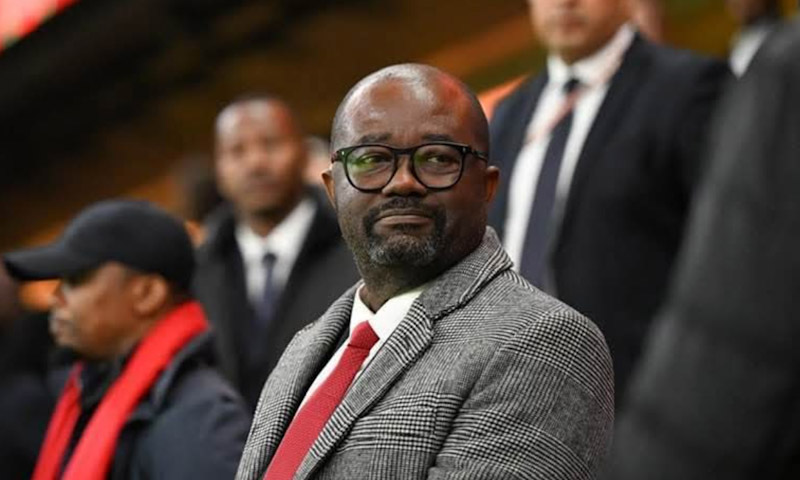
President of the Ghana Football Association (GFA), Kurt Edwin Simeon-Okraku, has defended Senegal and the Confederation of African Football (CAF) following criticism over the chaotic scenes that marred the Africa Cup of Nations (AFCON) final.
Okraku, who also serves as Second Vice President of CAF, admitted that the incidents during the final were unfortunate but insisted they should not define the tournament. He dismissed claims of bias or manipulation, stressing that CAF’s leadership acted in good faith throughout the competition.
“There was no conspiracy in the leadership, myself inclusive, to favour any country,” Okraku said. “CAF will never manipulate a competition to reward one nation over another.”

The AFCON final between Senegal and hosts Morocco was disrupted after Senegalese players protested a late refereeing decision, briefly leaving the pitch. The match was halted for several minutes before play resumed, eventually ending with Senegal securing victory in extra time.
Reacting to the backlash, Okraku described the scenes as part of football’s emotional nature rather than deliberate misconduct.
“Yes, the scenes on that day were not what you expect. But I also see them as part of the excitement of the game and a reflection of how badly Senegal wanted to win.”
Caf fines Morocco FA $415,000, Senegal FA $615,000 Over Afcon final misconduct
The incident triggered widespread criticism from fans and football stakeholders across the continent, with renewed calls for improved officiating and match control at major tournaments. CAF later imposed fines and suspensions on members of the Senegalese team and technical staff for unsporting behaviour during the final.
Despite the controversy, Okraku maintained that the tournament was well organised overall and should be remembered for its competitive quality rather than isolated incidents.
“Mistakes happen in football everywhere in the world. They should not be used to undermine the progress African football continues to make.”
The AFCON final remains a subject of debate as Senegal and Morocco pursue appeals against disciplinary decisions, keeping discussions around refereeing standards and discipline in African football ongoing.
