
Editorial: Sarfo Oduro’s narrow view of GFA accountability hurts football
"...We are not accountable to supporters or Ghanaians,” he said.

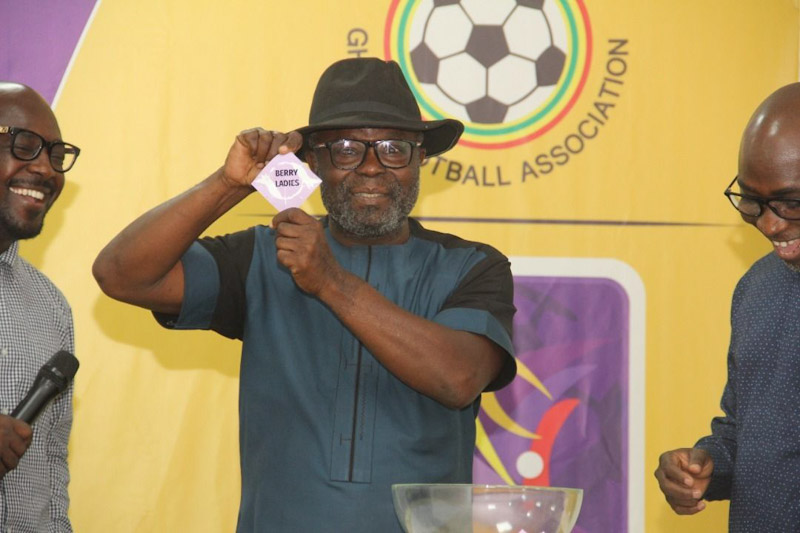
Nana Sarfo Oduro’s assertion that the Ghana Football Association (GFA) is accountable only to its clubs and not to the wider Ghanaian public is both narrow-minded and damaging to the reputation of the organization he represents.
“The Ghana Football Association is accountable to the football people. It is an organization. We are accountable to each and every football club. The association is made up of individual clubs. We are not accountable to supporters or Ghanaians,” Oduro declared during an interview with Asempa FM. While this statement may align with the technical structure of the GFA, it completely disregards the essence of leadership in sports administration.
The case for broader accountability
The GFA’s operations are deeply intertwined with national interests. Government funding, fan patronage, and the emotional investment of millions of Ghanaians sustain football as a national treasure. To imply that the association’s leaders owe no responsibility to these contributors is both insulting and shortsighted.
Football is more than an organizational affair; it is a cultural and national phenomenon. The GFA’s actions affect not only clubs but also the lives of players, supporters, and businesses built around the sport. Leaders within the GFA must rise to this reality and recognize their broader responsibilities.
A troubling leadership record
This is not the first time Sarfo Oduro’s comments have courted public ire. In November 2020, he infamously dismissed concerns about the condition of Berekum Golden City Park with the remark, “I’m watching [a] Nigerian movie and that is more precious to me at this point. We have finished playing the game, and I don’t care about anything anymore.” Such casual indifference sparked outrage and ultimately led to his resignation from his role as CEO of Berekum Chelsea.
Sarfo Oduro’s pattern of comments signals a troubling lack of understanding of the broader role football plays in Ghanaian society. This is unbecoming of someone in a leadership position within the GFA.
A call to action for the GFA
The GFA must take this opportunity to address the culture of insensitivity displayed by some of its leaders. Implementing mechanisms for greater public engagement, transparency, and accountability will go a long way toward rebuilding trust. The GFA must also ensure that individuals entrusted with leadership positions understand the gravity of their responsibilities.
Sarfo Oduro’s statements do not represent the values that should guide Ghanaian football. It is time for the GFA to course-correct and prioritize the collective good of all stakeholders in its governance.