

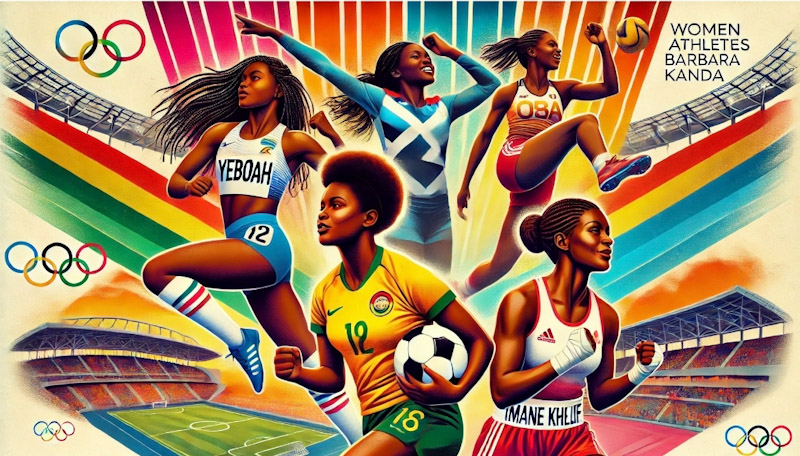
The history of women’s sports is a testament to resilience, progress, and the relentless pursuit of equality. While women have been involved in sports for centuries, it was only in the late 19th and early 20th centuries that they began to be recognized as serious athletes.
Female athletes have consistently faced obstacles their male counterparts rarely encounter—proving their worth in a male-dominated arena, enduring discrimination, and fighting against unequal pay. Despite these challenges, they have pushed boundaries and paved the way for future generations.
Today, women’s sports enjoy growing popularity and acceptance. However, the battle is far from over, as athletes still confront significant hurdles.
For example, Algerian boxer Imane Khelif overcame gender stereotypes to win gold at the Paris Olympics. This came despite her disqualification by the International Boxing Association (IBA) in 2023 for reportedly high testosterone levels after reaching the World Championships final.
Similarly, Zambian footballer Barbara Banda defied criticism over her gender to make history at the Olympics, becoming the first player to score hat-tricks in consecutive games. Banda was also named the BBC Women’s Footballer of the Year in 2024, cementing her place among the best in the game.
Ghanaian high jump sensation Rose Yeboah broke new ground by becoming the country’s first female Olympic high jumper. She qualified with a remarkable 1.97m leap at the NCAA Championships in the United States.
A major challenge female athletes continue to face is the wage gap. While this issue extends beyond sports, the disparity is particularly pronounced in many disciplines. Nevertheless, progress is evident. For instance, Bay FC of the National Women’s Soccer League (NWSL) made headlines by signing Zambian star Rachel Kundananji for a record $788,000 transfer fee, marking a significant milestone in women’s football.
The increasing media coverage of women’s sports is also fostering greater accessibility and inspiring more young girls to participate. With perseverance and continued advocacy, the future of women’s sports looks brighter than ever.
